Ask anyone from Liverpool what scouse means and you'll get two answers. It's the name for the people, and it's the name for the dinner. The dinner came first.
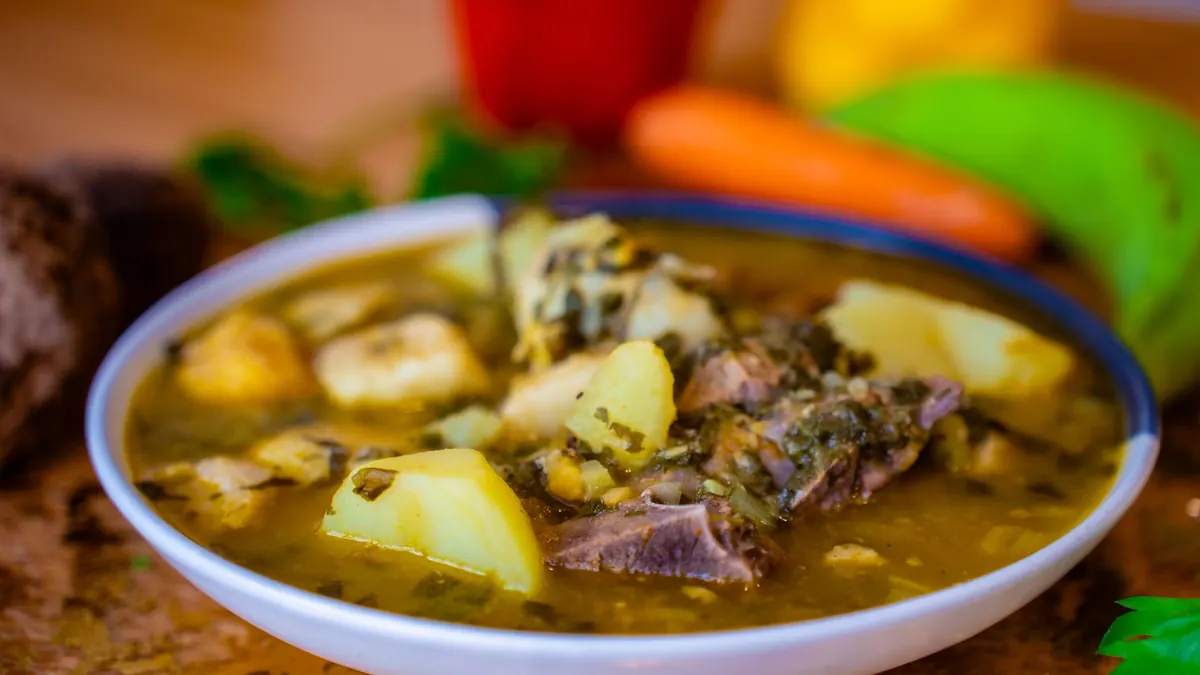
The stew that gave the city its nickname is a slow, plain, deeply savoury thing: meat, potatoes, carrots, onion, and enough time for all of it to stop being separate ingredients. Eat a bowl of it in a back-street pub with bread and butter and a spoonful of pickled red cabbage and you learn a fair bit about how Merseyside cooks — how it stretches a Sunday joint, feeds a crowd, and refuses to be fussy about it.
Here's what the dishes actually are, where they came from, and how to track them down without ending up in a chain restaurant wondering what went wrong.
How a sailor's stew became a city's nickname
Lobscouse was ship food. Salt meat, hard biscuit, potatoes, onions, whatever root vegetables were aboard, all boiled together in one pot — the sort of cooking that works when you have limited fuel, limited space and a crew to feed. Ports all around the North Sea and the Baltic had a version of it: lapskaus in Norway, labskaus in northern Germany.
Liverpool, with its docks and its constant traffic of sailors, took the dish and shortened the name. By the nineteenth century the word was being used for the people as well as the pot, and the city's Irish and Welsh arrivals shaped the recipe further — lamb and mutton were cheap, potatoes were everywhere, and a single pan did the work of three.
Scouse, pan by pan
The traditional version starts with a cheap cut: neck or shoulder of lamb, or mutton if your butcher has it. Beef is common now and perfectly good, though it makes a slightly different bowl — darker, less sweet. Onion goes in first, then carrot, then potatoes in two stages. Some families add swede instead of carrot, and will defend that choice for the rest of their lives.
The two-stage potato is the trick worth copying. Cube some potatoes early so they collapse and thicken the liquid into gravy, then add the rest later so you still get whole, floury pieces on the spoon. Water or stock, salt, plenty of black pepper, a bay leaf, a long low simmer. Some cooks add a knob of dripping, a shake of Worcestershire sauce, or dumplings dropped in near the end. None of it is compulsory.
What lands on the table
Scouse is served in a bowl, not arranged on a plate. Alongside it: buttered bread, pickled red cabbage, pickled beetroot, sometimes brown sauce. That's the whole performance. If a menu lists it with a red wine reduction and a tuile, you're not in the right place.
Blind scouse is the meat-free version — more vegetables, vegetable stock, no meat at all. It was a staple of lean weeks in the city, and it's still the option to ask about if you don't eat meat. Like most stews, scouse is better on the second day, once the potatoes have thickened everything and the flavours have settled.
Lobscouse, lapskaus and labskaus: one name, many ports
If you see lobscouse on a menu, expect a close relative of the Liverpool bowl, often with a bit more of a maritime feel — sometimes with beetroot stirred through, sometimes with a fried egg on top. In Hamburg, labskaus is a pink mash of potato, beetroot and corned beef, served with a rollmop and a fried egg. It shares the name and the ancestry, not the look. Order it anyway, with an open mind.
Wet nelly: the pudding that means Liverpool to a lot of people
Wet nelly is a bread pudding, and the name describes it well. Stale bread gets soaked, then mixed with suet, sugar, dried fruit and spice — nutmeg or mixed spice, sometimes brown sugar for a darker edge — and baked slowly until it sets with a soft, damp middle. Cut into squares, it turns up warm with custard in cafés and pubs, and cold in lunchboxes and church halls.
It's cheap, it uses up what's in the bread bin, and it's the reason a lot of people from the area get nostalgic about a pudding. Look for it on dessert boards rather than front-of-house menus; it's the sort of thing a kitchen makes when someone on staff knows how.
Beyond the pot: the rest of the plate
Scouse is the headline, but the everyday eating around it is just as telling. Chips and gravy, proper meat and potato pies with red cabbage, a bacon barm from a shop that's been there longer than you have, and the Cantonese cooking that grew out of one of Europe's oldest Chinese communities near the city centre. All of it belongs in the same conversation.
A quick glossary, because the words come up faster than the food does:
- Scouse — the stew; also, a person from Liverpool.
- Blind scouse — the same dish without meat, built on vegetables and vegetable stock.
- Lobscouse — the older, sailor-side name, still used by some pubs and a fair few home cooks.
- Wet nelly — a moist spiced bread pudding, served warm with custard or cold in slices.
- Barm — a soft roll; the default vehicle for chips, bacon or a pie.
- Chips and gravy — exactly what it sounds like, and a reliable test of any chip shop.
Where to find it, and what to expect
Scouse is not a tourist dish and rarely appears on the glossy menus. Its natural homes are traditional pubs, social clubs, cafés near markets, and community halls — in the districts as much as the centre, and across the water in Birkenhead and Wallasey. Many kitchens cook one batch a week and serve it until the pan is empty, so timing matters more than reservations.
- Ask at the bar. "Do you do scouse?" is a completely normal question and usually gets you a straight answer, a day and a time.
- Go midweek at lunchtime for the best odds, or on a day that follows a roast service.
- Ring ahead if there's a group of you, and say so if anyone needs the meat-free version.
- Expect a big, inexpensive bowl with bread and butter and pickles on the side. That's the dish, not a shortage of ambition.
- Ask whether the pot is lamb or beef, and whether the stock is meat-based, if that matters to you.
- Don't order a starter. You'll regret it by about spoon six.
Keep an eye out for scouse days, charity cook-offs and food events in the city — that's when you'll find the best versions, often made by people who have been cooking the same recipe for decades.
Practical notes before you go
For a first bowl, choose a pub with a handwritten specials board over anywhere with a laminated menu of world cuisine. Sit down, order a pot of tea or a pint, and let it arrive without ceremony. Season at the table rather than judging the kitchen early; the salt level in a long-simmered stew can read differently after twenty minutes.
If you want to cook it at home, start at an independent butcher and ask for neck or shoulder of lamb on the bone — the bone is where the body of the gravy comes from. Two hours at a low simmer is a reasonable guide, longer if you have it. Takeaway tubs of scouse reheat well with a splash of water and a gentle heat, and taste better the next day.
One practical caution: scouse, lobscouse and wet nelly often contain meat stock and suet, so if you're vegetarian, cooking for someone who is, or dealing with an allergy, ask about ingredients before ordering rather than after. Any kitchen worth its salt will tell you plainly. For anything more specific than that, your own GP or a registered dietitian is the right person to ask.
Photo: SAMY PHOTOGRAPHY / Pexels