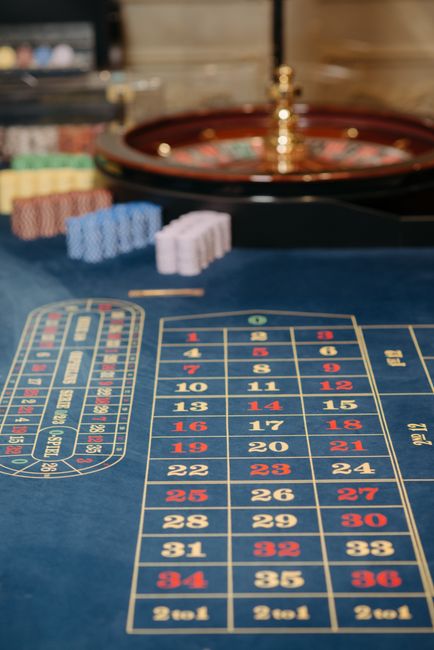
You’ve seen the flashy ads. The streamers winning six figures on a single spin. The promise of turning a $10 deposit into a lifestyle. But beneath the neon glow of iGaming lies a complex ecosystem of probability, psychology, and business. Whether you’re curious about slots, tempted by poker, or just want to understand how betting markets really work, you need more than luck. You need clarity. This isn’t about preaching moderation or warning you off—it’s about pulling back the curtain so you can navigate this world with your eyes wide open.
Slots: The Engineered Illusion of Near-Misses
Slot machines are the backbone of any casino, online or off. They’re also the most misunderstood. Modern video slots use random number generators (RNGs) that spin thousands of times per second, even when no one is playing. The result you see is just a snapshot of a millisecond-long event. That means there’s no “due” jackpot, no machine that’s “hot” or “cold.” Each spin is independent. If this is new to you, L'Avenue Dubai is a sensible next read.
What makes slots so engaging is the near-miss effect. When two jackpot symbols land and the third stops just above or below the payline, your brain releases dopamine—the same chemical that fires when you actually win. This is not an accident; game designers deliberately weight the reels to create more near-misses than statistical probability would suggest. Understanding this doesn’t ruin the fun, but it does strip away the illusion that you’re “close” to a big win.
Another key concept is volatility. Low-volatility slots pay small amounts frequently. High-volatility slots (like many Megaways titles) can go hundreds of spins without a payout, then hit a massive multiplier. If you have a small bankroll, high volatility will burn you out fast. Choose games that match your tolerance for risk—and always check the RTP (return to player) percentage. Anything below 95% is a poor long-term bet; the best online slots hover around 96–97%.
Poker: The Only Game Where You Play the Players
Unlike slots, poker is a skill game disguised as gambling. The house takes a rake, but your real opponent is the person across the virtual table. This is why poker has produced consistent long-term winners while slot players cannot beat the math.
If you’re new to poker, start with No-Limit Texas Hold’em. It’s the most popular variant for a reason: it offers the most strategic depth. Here are three habits that separate winning players from donors:
- Position is power. Acting last gives you information. You can play more hands from the button and cut off the blinds. Most beginners play too many hands from early position—that’s a leak.
- Bet sizing tells a story. A min-bet on a dry board often means weakness. A sudden overbet on the river usually means a polarized range: either a monster or a bluff. Learn to read the narrative, not just your cards.
- Bankroll management is non-negotiable. Never buy into a cash game with more than 5% of your total poker bankroll. For tournaments, keep it under 2%. This prevents variance from wiping you out during a downswing.
Online poker also introduced HUDs (heads-up displays) and tracking software. Many sites now ban them, but the best players still use innate pattern recognition. If you’re serious, review your hand histories weekly. You’ll spot leaks you never knew you had.
Sports Betting: Where Math Meets Misinformation
Sports betting exploded after the U.S. Supreme Court struck down the federal ban in 2018. Now you can bet on everything from the Super Bowl to the number of corners in a La Liga match. But the underlying principle remains: you’re betting against a line set by oddsmakers who employ quants and algorithms.
The vig (or juice) is the commission built into every odds line. A standard -110 bet means you risk $110 to win $100. That’s a 4.76% hold for the sportsbook. To be profitable long-term, you need to win more than 52.4% of your bets just to break even. That’s why most casual bettors lose slowly but surely.
The sharpest bettors focus on closing line value. If you consistently bet before the line moves in your favor, you’re likely beating the market. Public bettors chase favorites and over/unders; sharps look for stale lines, injury news, or weather that the market hasn’t fully priced in. If you want to bet for fun, set a budget and treat it as entertainment. If you want to win, you need to think like a trader, not a fan.
The House Edge: Why Casinos Always Win (And How to Minimize It)
Every casino game has a mathematical advantage for the house. That’s not a conspiracy; it’s the business model. But the size of that edge varies wildly. Here’s a quick comparison:
- Blackjack (basic strategy): 0.5% house edge
- Baccarat (banker bet): 1.06%
- European Roulette: 2.7%
- American Roulette: 5.26%
- Slots: 2% to 15% (depending on the game)
- Keno: 25% to 35%
Notice that blackjack and baccarat are far friendlier than slots or keno. If your goal is to stretch your bankroll, avoid the lottery-style games. Also, never take the insurance bet in blackjack—it’s a sucker’s bet with a house edge over 7%.
Bonuses and Promotions: Read the Fine Print
iGaming sites lure you in with welcome bonuses: “100% up to $500!” But those bonuses come with wagering requirements. A 40x wagering requirement on a $100 bonus means you must bet $4,000 before you can withdraw any winnings. And many games contribute differently—slots might count 100%, but blackjack might count 10% or not at all.
Before claiming any bonus, ask three questions:
- What is the wagering requirement (and on what—bonus only or bonus + deposit)?
- What is the maximum bet allowed while clearing the bonus? (Usually $5 or less)
- How long do I have to clear it? (Often 7–30 days)
Sometimes a no-deposit bonus or a cashback offer is better than a huge match bonus with impossible terms. Don’t be seduced by the headline number.
Responsible Play: The Smartest Strategy of All
iGaming is designed to be immersive. Lights, sounds, and instant gratification are all engineered to keep you playing. That’s why the most successful players—whether they play slots, poker, or sports—treat it as a form of entertainment with a fixed cost, not as an income stream.
Set deposit limits before you start. Use time-out features if you feel yourself chasing losses. And remember: the only guaranteed way to win is to not play. But if you do play, play smart. Understand the math, respect the variance, and never bet more than you can afford to lose. The house always has the edge—but you can still walk away with your shirt on.